When someone close to us experiences a loss, the desire to help can be held back by the fear of saying the wrong thing. From our experience supporting families in difficult times, we know that many people step away right when their presence would be most valuable, not from a lack of empathy, but because they’re unsure how to offer genuine comfort. Effective emotional support doesn’t require perfect words, but authentic presence, active listening, and respect for the unique process each person goes through. Resources like emotional support groups can complement personal support, providing safe spaces to share experiences with others facing similar situations.
Through our daily work, we have seen how respectful accompaniment makes a profound difference in the emotional recovery of those grieving. Understanding which expressions bring comfort, which unintentionally cause pain, and how to be available without invading the grieving person’s personal space is essential for offering truly helpful support during these sensitive moments.
What phrases offer comfort and which should we avoid?
Well-intentioned phrases can sometimes cause more hurt than relief. Expressions like “they will get over this soon,” “everything happens for a reason,” or “at least they lived a long life” minimize the suffering and may make the person feel misunderstood or judged for how they process their loss. We recommend avoiding forced explanations or attempts to find silver linings in the tragedy, as every grief deserves to be fully acknowledged.
Instead, validating pain with simple, honest phrases fosters real connection. Saying “I’m deeply sorry for your loss,” “we’re here for whatever you need” or simply “we don’t have the right words, but we want you to know we’re here for you” conveys closeness without imposing expectations or timelines for healing. Sometimes, respectful silence paired with a physical gesture like a hug or holding a hand communicates more than any elaborate sentence.
Being present without invading the grieving person’s space
Balancing presence with respect for privacy requires sensitivity. Some people need moments of solitude to process their emotions, while others seek constant company. Asking directly, “Would you prefer us to stay or give you some space?” shows willingness without pressure, allowing the grieving person to set their own boundaries.
Concrete help instead of vague offers
Offering specific actions is more effective than saying “let us know if you need anything.” Phrases like “we’ll bring you lunch tomorrow” or “we can take care of those errands for you” make it easier for the person to accept support without feeling like a burden. Practical acts such as assisting with paperwork, looking after children, or being available to listen without giving unsolicited advice demonstrate genuine and respectful accompaniment.
Signs indicating the need for specialized professional support
While grief is a natural process, in some cases it can become complicated and require specialized intervention. We have identified signs that warrant professional attention:
- Prolonged isolation preventing a return to daily activities after several months
- Recurring thoughts of self-harm or expressions of a desire to die
- Persistent denial of the loss or inability to talk about the loved one
- Dependency on substances to avoid the pain
- Severe physical symptoms without identifiable medical cause
When these signs appear, we gently suggest considering professional guidance or participating in spaces specifically designed to process grief healthily.
Emotional support groups as a valuable resource
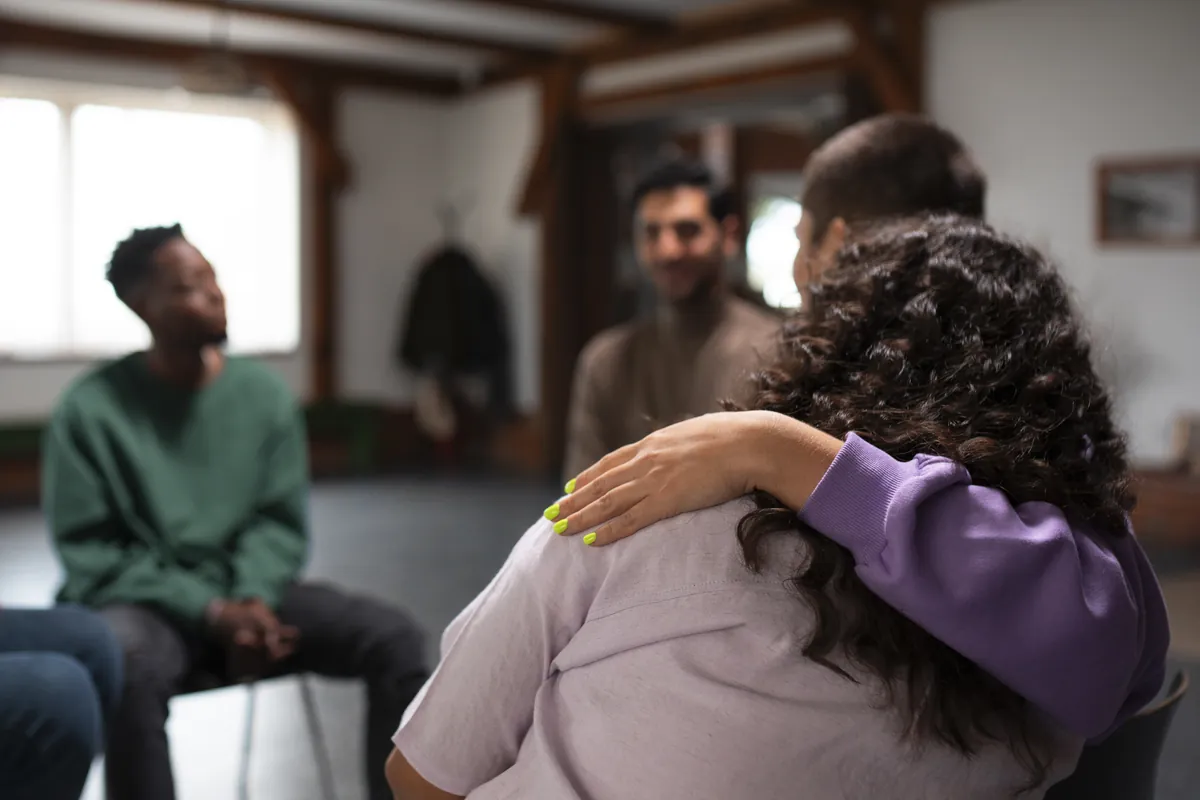
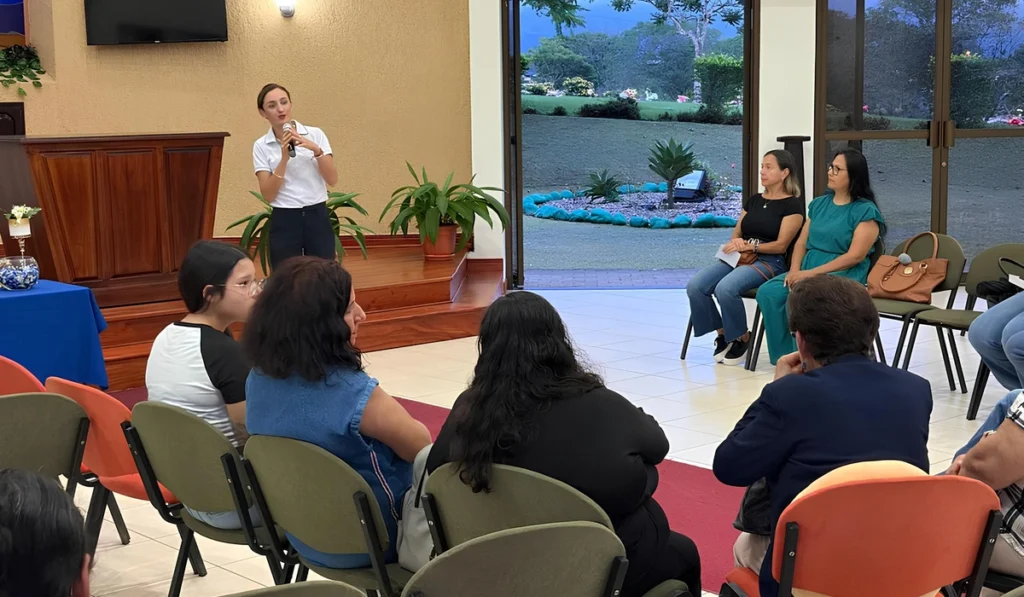
Beyond individual support, group environments offer unique benefits for those going through grief. In these settings, people find mutual understanding by sharing experiences with others facing similar losses, reducing the isolation that often accompanies the grieving process.
These spaces provide practical tools to manage difficult emotions, validation of feelings that may seem incomprehensible to those who haven’t recently experienced loss, and the opportunity to learn from others who are further along in their healing journey. The group format complements family and professional support, creating a more comprehensive emotional safety net.
Concrete actions that make a lasting difference
Tangible deeds outweigh words in the daily life of someone grieving. Preparing meals, helping with household chores, accompanying them through administrative tasks, or simply being available to listen without passing judgment are concrete ways to show genuine support.
Remembering important dates like birthdays or anniversaries of the passing, and letting the person know they are not alone during those particularly hard moments, is a valuable form of ongoing support. Grief doesn’t end after the funeral; it’s a process that can last months or years, and maintaining support over time is crucial for emotional recovery.
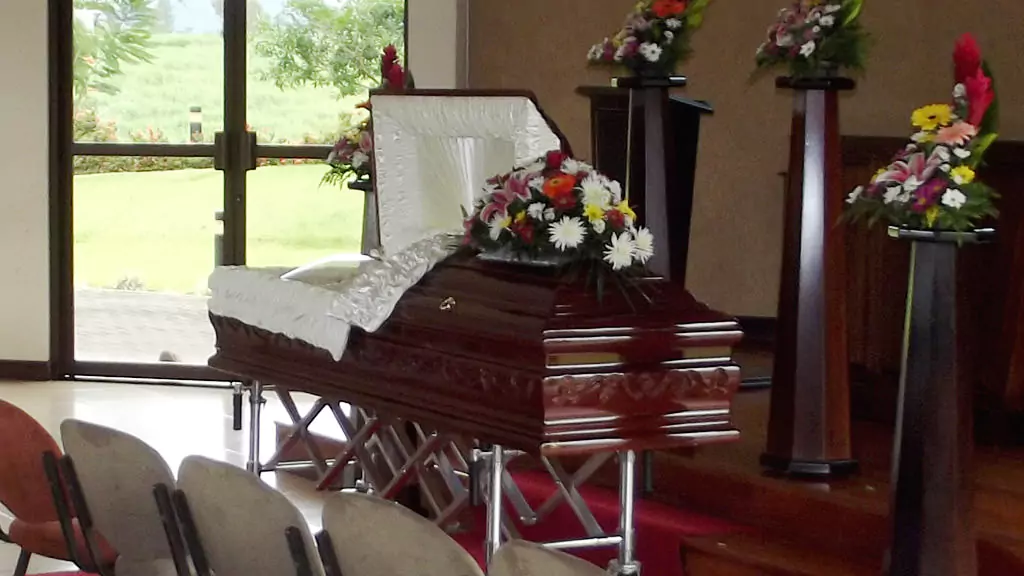
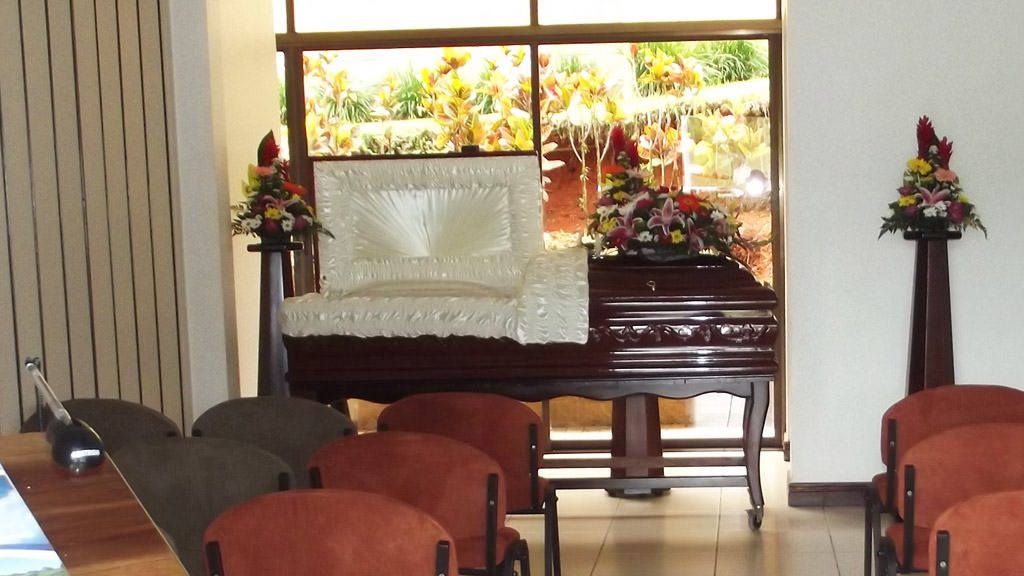
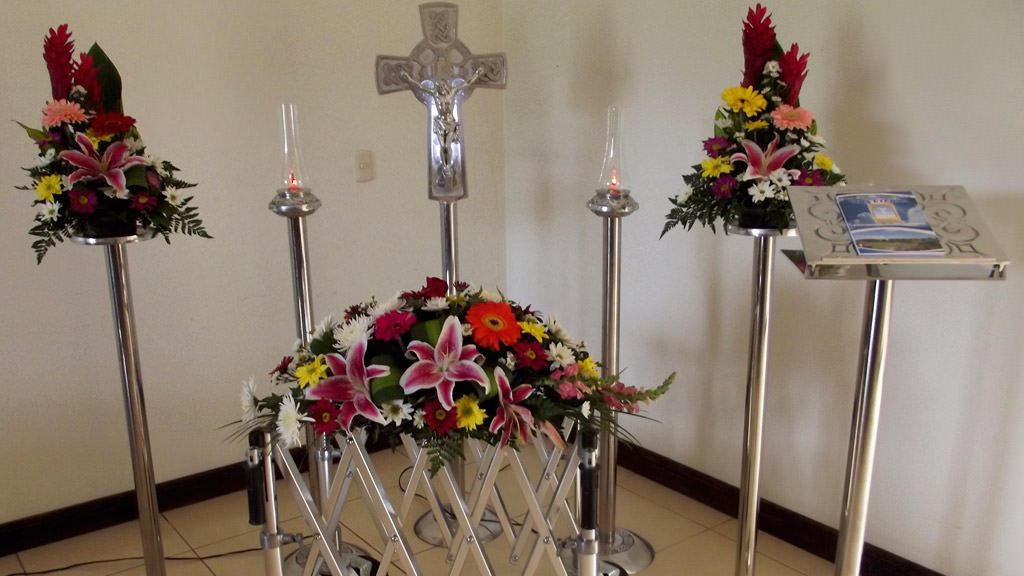
If you want to learn more about how to support your loved ones during difficult times or need guidance about our funeral services, please contact us. We are here to provide you with the information and support you need, offering personalized advice and the respect every family deserves during these delicate moments.